Daiwa 25 Saltiga
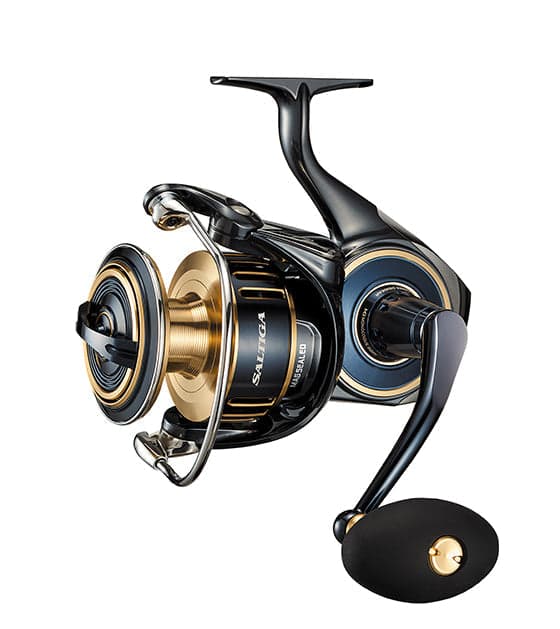
Daiwa's flagship saltwater spinning reel. The 2026 lineup — Powerdrive Design, DRD metal-roller drag, Monocoque body — extends a twenty-five-year arc that began with the Saltiga Z in 2001.
Editorial
The 25 Saltiga is Daiwa's flagship saltwater spinning reel for 2026 — the latest in a lineage that began with the original Saltiga Z in 2001, the reel that established Japanese tolerances as the new ceiling for heavy offshore spinning.
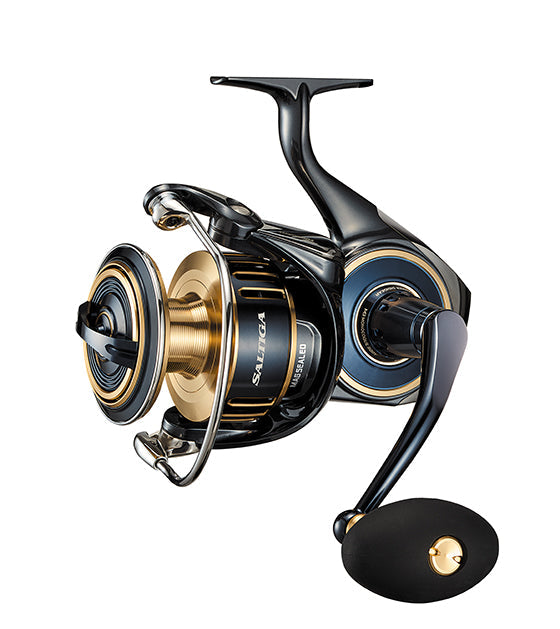
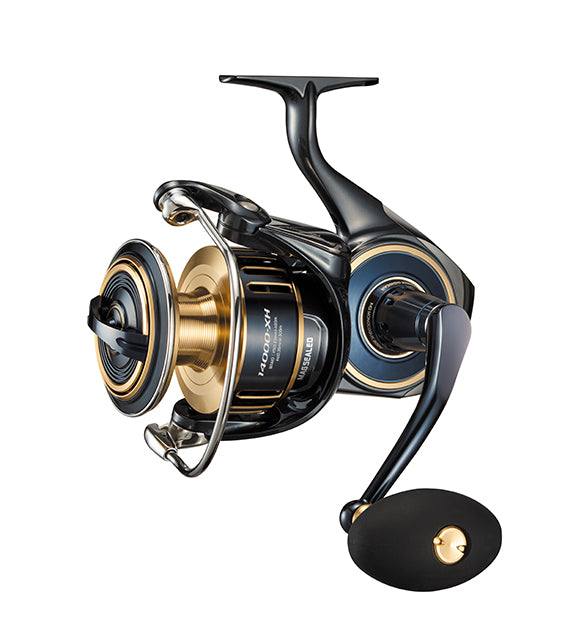
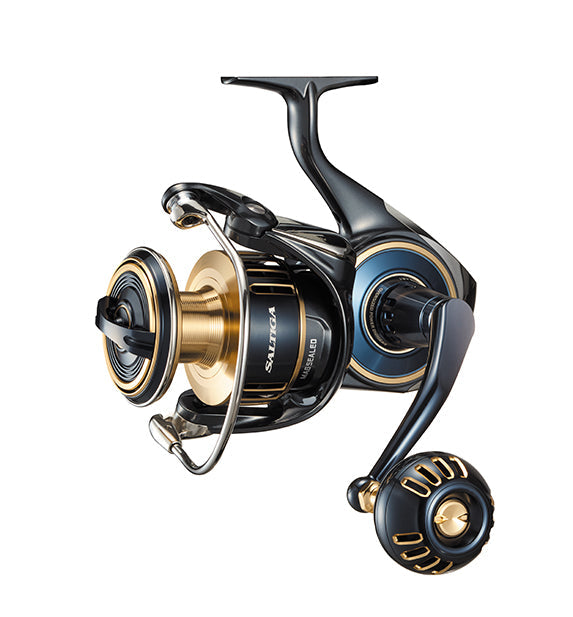
The current generation ships in sizes 8000 through 25000. The body is one-piece Monocoque aluminium. The drive gear is G1 Duralumin Power Digigear, roughly 10% larger than the gear in the 23 Saltiga. Magsealed line roller, Magsealed bearings, Roller Power Oscillation with Silent Oscillation ball bearings. The 8000–14000 sizes run the ATD Tough drag with carbon washers; the 18000, 20000, and 25000 step up to DRD — Daiwa's new metal-roller drag using eight metal rollers on a single plate, rated to 30 kg / 66.1 lb.
Daiwa US currently lists the 8000 through 14000 sizes at USD $1,249.99 and the 18000–25000 DRD heavyweights at USD $1,399.99 (checked 27 September 2026). Announced at ICAST 2025; available 2026.
Why It Matters
The Saltiga established the saltwater spinning reel category. Before the 2001 Saltiga Z, heavy-duty offshore spinning was largely an American conversation — Van Staal, Penn International — built around bulletproof reliability rather than precision. The Saltiga brought Japanese tolerances and Japanese materials science to the same problem and reframed what the category could be. The Stella vs Saltiga conversation has structured Japanese saltwater spinning for over two decades. Six generations later, the Saltiga remains the reference for tuna work, heavy GT popping, and any offshore application where the reel itself is the constraint.
Best For
- GT popping and stickbait casting on PE 6–10 (14000, 18000, 20000 size class)
- Heavy offshore jigging for amberjack, kingfish, dogtooth tuna, and yellowfin
- Tuna fights where DRD drag headroom matters (25 Saltiga 18000, 20000, 25000)
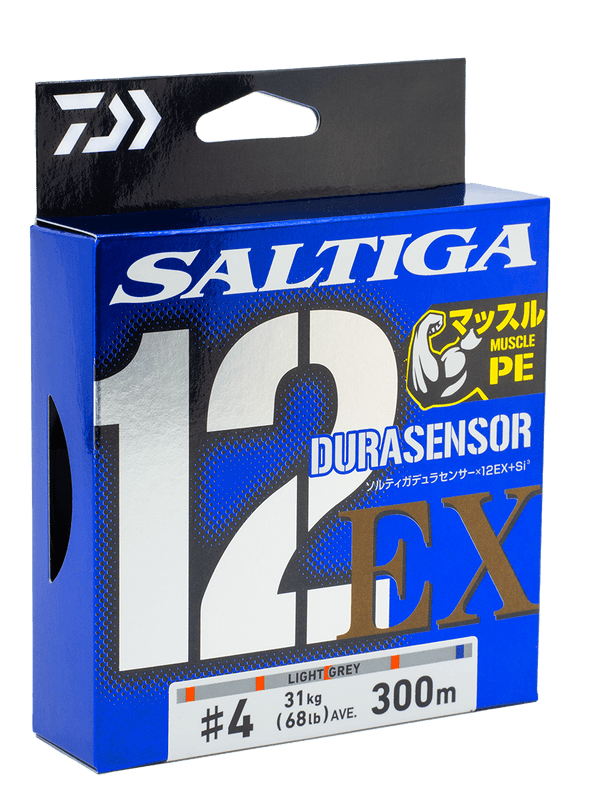
- Anglers running a Daiwa Saltiga 12 Braid and matching tackle as a system
- Collectors tracing the lineage from the original Z through the modern Powerdrive era
Technical Snapshot
| Attribute | Detail |
|---|---|
| Current generation | 25 Saltiga (announced ICAST 2025; available 2026) |
| Sizes | 8000, 10000, 14000, 18000, 20000, 25000 |
| Body | One-piece Monocoque (MQ) aluminium |
| Drive gear | G1 Duralumin Power Digigear (~10% larger than 23 Saltiga) |
| Rotor system | Powerdrive Rotor (evolution of Airdrive Design from 23 Saltiga) |
| Oscillation | Roller Power Oscillation with Silent Oscillation ball bearings |
| Sealing | Magsealed line roller, Magsealed bearings |
| Drag (8000–14000) | ATD Tough drag stack with carbon washers |
| Drag (18000–25000) | DRD — 8 metal rollers on single plate |
| Max drag (DRD models) | 30 kg / 66.1 lb |
| Spool | LC-ABS long-cast design |
| Bail | Crank Power Bail (restructured for higher load) |
| Pricing (8000–14000) | USD $1,249.99 (Daiwa US list) |
| Pricing (18000–25000) | USD $1,399.99 (Daiwa US list) |
| Origin | Designed and manufactured in Japan |
| Magsealed servicing | Daiwa-authorised technician only — magnetic oil cannot be field-replaced |
| Lineage (generations) | Saltiga Z (2001), 10 Saltiga (2010), 15 Saltiga (2015), 20 Saltiga (2020, Monocoque), 23 Saltiga 4000/5000/6000-G (Airdrive), 25 Saltiga (Powerdrive, DRD) |
Product Views
Collector / Field Notes
The collector market traces the lineage in four pieces: the Saltiga Z (2001, roughly nine-year production run), the Saltiga Dogfight (heavier 2010-era popping variant), the Saltiga BJ (Bay Jigging, now a Japanese-domestic collectors' item), and the Saltiga Expedition 5500H / 6500H (the de facto GT reel of the late 2010s). A clean 20 Saltiga MQ is arguably the value pick in the lineage — Monocoque construction at well below 25 Saltiga retail. JDM-spec Saltigas appear regularly on global secondhand sites at meaningful discounts, but carry no manufacturer warranty in non-Japanese markets. The Saltiga reel and the Saltiga 12 Braid were engineered as a system; running one without the other gives up part of what the platform was designed to deliver.
FAQ
Which Saltiga size is right for GT fishing?
For modern GT popping the 25 Saltiga 18000 with DRD drag is the reference. The 14000 suits lighter PE6–8 setups and shorter rods. Historically the Saltiga Expedition 5500H and 6500H were the GT reel of choice through the late 2010s and remain capable on the secondhand market.
Saltiga vs Stella SW — which should I buy?
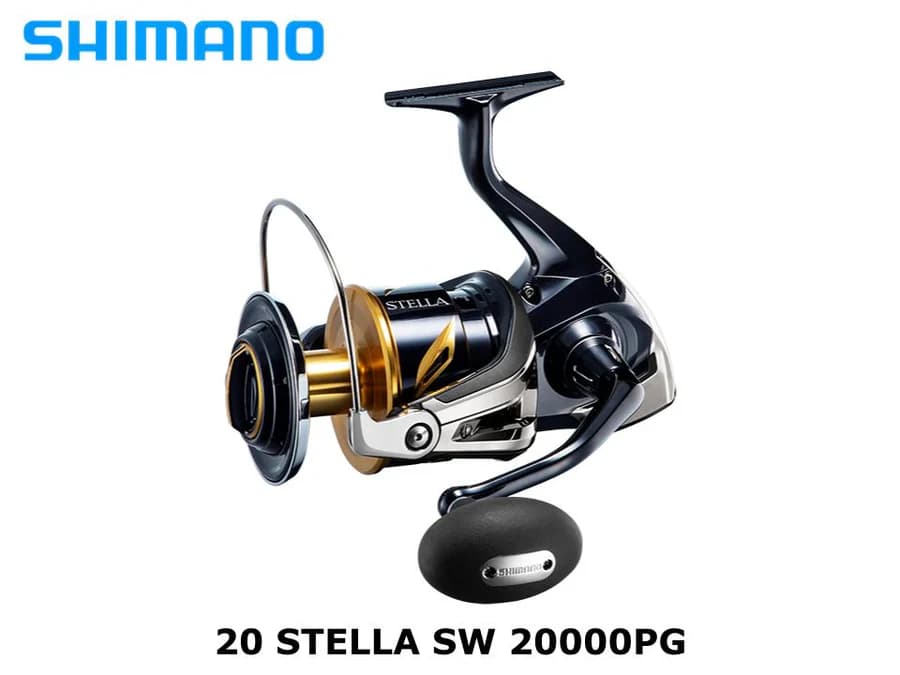
Both reels will land any fish you can hook. The Stella SW is smoother and lighter to crank; the Saltiga is more rigid under sustained heavy load. For technical popping, lean Stella. For tuna and brute-force GT work on the 18000–20000 class with the new DRD drag, lean Saltiga. Service availability where you live should weigh heavily.
Can I service a Magsealed Saltiga myself?
Not the Magsealed components. The magnetic oil cannot be replaced without proprietary tooling and the correct grade of oil — both restricted to Daiwa-authorised service centres. Light external cleaning, handle swaps, and spool changes are owner-serviceable. Anything that requires opening the body should go to a Daiwa technician.
What's the difference between the 23 Saltiga and the 25 Saltiga?
The 23 Saltiga filled in the mid-size lineup (4000–6000 G) with Airdrive Design — a low-inertia system tuned for technical lure work. The 25 Saltiga is the larger-size flagship (8000–25000) with Powerdrive Design (more torque-focused) and DRD drag at the top of the range. They are complementary, not replacements.
Is the DRD drag worth the upgrade over carbon washers?
For tuna and fights that run 20+ minutes at heavy drag, yes. The thermal stability of the eight-metal-roller system is materially better than a carbon washer stack under sustained heat. For shorter, more violent GT fights, the difference is less pronounced.
Are older Saltigas worth buying secondhand?
A clean Saltiga Z, a serviceable Saltiga Expedition, or an unmolested BJ are all worth their secondhand prices. The 20 Saltiga MQ in clean condition is arguably the best value in the lineage — Monocoque construction at well below 25 Saltiga retail. Service history matters more than cosmetic condition on any Magsealed-era reel.
What rod pairs with a Saltiga 18000 or 20000?
For GT popping in the PE8–10 range, the FCL Labo UCB-81 Extreme MH, the Yamaga Blanks Ballistick 2025, or the Zenaq Tobizo TC80-80G for stickbaiting. The Saltiga is heavier than the equivalent Stella size — choose the rod to balance the reel.
Where is the Saltiga manufactured?
Designed and manufactured in Japan. Daiwa's global distribution operates through regional subsidiaries (Daiwa US, Daiwa Australia, Daiwa Malaysia), but the reels themselves are built domestically.
Sources
- Daiwa Australia — 25 Saltiga
- Daiwa US — 25 Saltiga Spinning
- Daiwa Malaysia — 23 Saltiga 4000/5000/6000-G
- Alan Hawk — 2020 Daiwa Saltiga review
- Alan Hawk — 2010 Saltiga review
- McNeese Reels — 2020 Saltiga review
- JP Fishing Tackle News — Powerdrive Design
- AllOutdoor — ICAST 2025 25 Saltiga
- Monster Fishing NZ — Saltiga Guide
- Insalt Lures — Saltiga 2025 vs Stella SW D
Frequently Asked
- Which Saltiga size is right for GT fishing?
- For modern GT popping the 25 Saltiga 18000 with DRD drag is the reference. The 14000 suits lighter PE6–8 setups and shorter rods. Historically the Saltiga Expedition 5500H and 6500H were the GT reel of choice through the late 2010s and remain capable on the secondhand market.
- Saltiga vs Stella SW — which should I buy?
- Both reels will land any fish you can hook. The Stella SW is smoother and lighter to crank; the Saltiga is more rigid under sustained heavy load. For technical popping, lean Stella. For tuna and brute-force GT work on the 18000–20000 class with the new DRD drag, lean Saltiga. Service availability where you live should weigh heavily.
- Can I service a Magsealed Saltiga myself?
- Not the Magsealed components. The magnetic oil cannot be replaced without proprietary tooling and the correct grade of oil — both restricted to Daiwa-authorised service centres. Light external cleaning, handle swaps, and spool changes are owner-serviceable. Anything that requires opening the body should go to a Daiwa technician.
- What's the difference between the 23 Saltiga and the 25 Saltiga?
- The 23 Saltiga filled in the mid-size lineup (4000–6000 G) with Airdrive Design — a low-inertia system tuned for technical lure work. The 25 Saltiga is the larger-size flagship (8000–25000) with Powerdrive Design (more torque-focused) and DRD drag at the top of the range. They are complementary, not replacements.
- Is the DRD drag worth the upgrade over carbon washers?
- For tuna and fights that run 20+ minutes at heavy drag, yes. The thermal stability of the eight-metal-roller system is materially better than a carbon washer stack under sustained heat. For shorter, more violent GT fights, the difference is less pronounced.
- Are older Saltigas worth buying secondhand?
- A clean Saltiga Z, a serviceable Saltiga Expedition, or an unmolested BJ are all worth their secondhand prices. The 20 Saltiga MQ in clean condition is arguably the best value in the lineage — Monocoque construction at well below 25 Saltiga retail. Service history matters more than cosmetic condition on any Magsealed-era reel.
- What rod pairs with a Saltiga 18000 or 20000?
- For GT popping in the PE8–10 range, the [FCL Labo UCB-81 Extreme MH](/gear/fcl-labo-ucb-81-extreme-mh), the [Yamaga Blanks Ballistick 2025](/gear/yamaga-blanks-ballistick-2025), or the [Zenaq Tobizo TC80-80G](/gear/zenaq-tobizo-tc80-80g) for stickbaiting. The Saltiga is heavier than the equivalent Stella size — choose the rod to balance the reel.
- Where is the Saltiga manufactured?
- Designed and manufactured in Japan. Daiwa's global distribution operates through regional subsidiaries (Daiwa US, Daiwa Australia, Daiwa Malaysia), but the reels themselves are built domestically.