Best GT Popping Rods
A premium buyer guide to GT popping rods, built around load profile, casting style, line class, and where high-end rods justify their cost.
Don Christie · Updated 2026-05-30 · Research, not a field test
Guide Navigation
Key Takeaways
GT popping rods should be shortlisted by line class, lure style, and how hard the fishery really pulls, not by prestige alone.
The best pillar guide helps readers separate specialist heavy rods from more versatile premium options before any hard rankings are attempted.
Where exact PE windows and lure limits need verification, TacklingFish should state that clearly rather than manufacture certainty.
What Actually Makes a GT Popping Rod Worth Buying
A GT popping rod earns its place through load management, lure control, recovery, and how it behaves under ugly pressure. Premium buyers are not just paying for carbon and branding. They are paying for a blank that stays coherent when a heavy popper has to be moved properly all day and when a hooked fish starts turning the rod into a lever rather than a casting tool.
That is why a serious guide should begin with function instead of mythology. Some rods feel alive with a specific lure range and a specific casting rhythm, while others are built to survive abuse first and communicate later. The right answer depends on fishery, braid class, and the angler's own tolerance for weight and stiffness.
How To Shortlist By Use Case Instead Of Reputation
Start with the trip, not the logo. A PE8 topwater program for reef-edge GT work is a different problem from a lighter travel-oriented setup where casting comfort and luggage reality still matter. The more specific the use case becomes, the smaller the relevant shortlist gets, and that is a good thing.
For TacklingFish, the best practice is to route readers toward verified rod entries and keep this page focused on decision architecture. That means framing specialist Japanese rods, broader-distribution premium rods, and travel-capable options as distinct lanes rather than pretending they all compete in one flat ranking table.
Line Class, Lure Class, And The Cost Of Getting It Wrong
Many weak buyer guides collapse rod choice into one number: PE rating. That is useful, but incomplete. Real fit also depends on the poppers or stickbaits being fished, the drag style of the trip, and whether the angler values brute force, rhythm, or endurance over a long day of casting.
This is exactly where premium rods justify careful buying. Two rods can look similar on paper and still ask for very different timing, different reel pairing, and different expectations under load. If a claim about exact lure windows is not yet verified, it should stay placeholder-level until it is sourced properly.
How To Use This Guide Before Buying
Use this page to narrow the field to a small, defensible shortlist. Then move into the linked product pages and comparison pieces where model-level context exists. That sequencing keeps the commercial intent of the page useful instead of noisy.
If a model still needs verified specs, pack length confirmation, or first-hand testing language, that should be visible as a limitation. Premium editorial becomes more persuasive when it is honest about what is known and what is still pending.
Shortlist

A premium reference point for serious GT casting buyers who want a verified TacklingFish entry point into high-end rod coverage.
Verification pending: Final recommendation language should be tightened only after side-by-side model benchmarking is complete.
Relevant for buyers comparing specialist Japanese offshore rods rather than broad-market all-rounders.
Verification pending: Exact PE comfort zone and lure-weight claims should be verified before publication as hard guidance.
Use this slot for a verified travel-friendly GT popping rod once the site has a fully sourced editorial on that model.
Verification pending: Human verification required before this becomes a named recommendation.
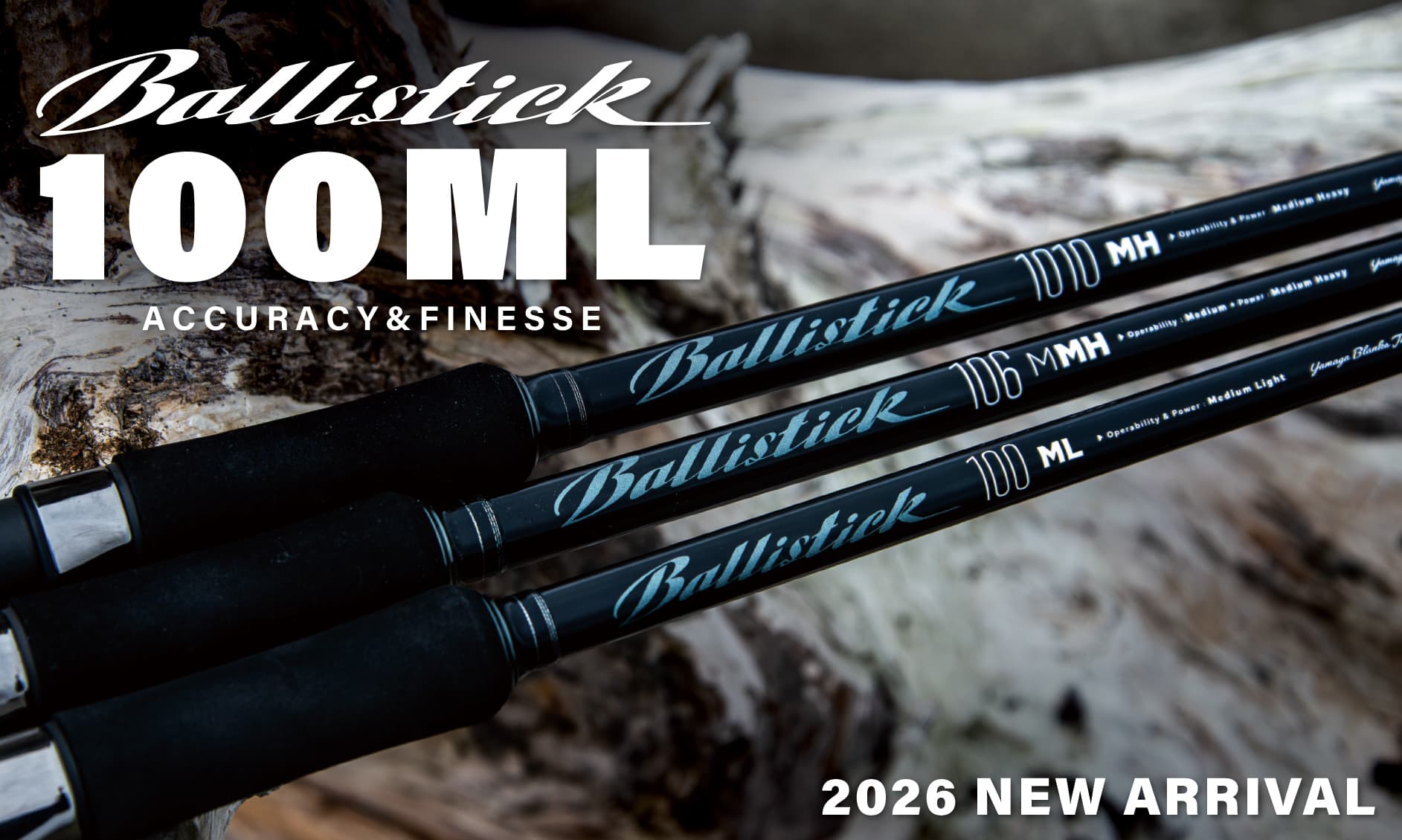
Useful in the broader premium rod conversation for readers who want a more nuanced view of Japanese blank philosophy.
Verification pending: GT-specific positioning should stay conservative unless directly verified against heavier topwater use.
Zenaq pedigree at the premium GT level — 8'2" packed to 195cm, travels well with serious topwater capability.
Shimano's heavy popping rod entry — XH action, 200g+ lure range, serious GT platform.
Premium Japanese GT rod, carbon-forward, 78H action, 150g+ lures — fills the Megabass slot with sourced coverage.
Carbon-built specialist GT rod — SMC carbon, 20kg+ drag range, heavy topwater platform.
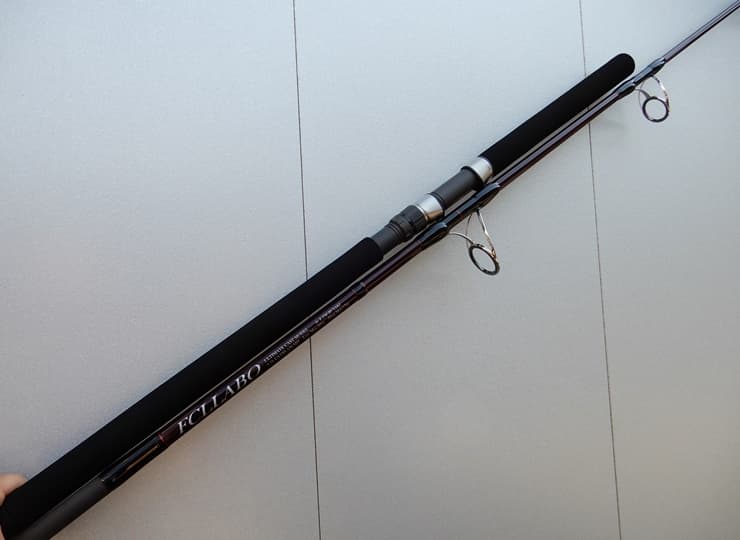
FCL Labo's lighter-range GT option — 245cm, PE8, 80-180g lures, strong community signal.
Three-piece GT rod with 195cm packed length, PE10, 150-250g lures — Zenaq travel-capable option.
Shimano travel-compatible heavy spinning rod — BG series, XH action, serious GT platform.
Fit
Who This Is For
- Anglers building a dedicated GT topwater setup rather than a mixed-use rod quiver.
- Buyers deciding between specialist Japanese rod builders and flagship mainstream options.
- Readers who need help narrowing the shortlist before validating exact model specifications.
Who This Is Not For
- Readers looking for bargain rods or entry-level saltwater outfits.
- Anyone who needs hard ranking claims before line class, lure size, and casting style have been verified.
- Shore-based generalists who are not actually shopping for GT-specific tackle.
Verification Notes
Any ranked recommendations, spec tables, pricing, and hands-on verdicts require human verification before they should be treated as final.
Frequently Asked
- What matters most in a GT popping rod shortlist?
- Load profile, recoverability after the sweep, lure compatibility, and whether the rod matches the braid class and reel size you actually plan to fish. Brand prestige alone is not enough.
- Should this page rank rods from first to last?
- Not until the supporting model coverage is verified. TacklingFish should use this page to narrow the shortlist and explain tradeoffs before presenting any hard hierarchy.
- What still needs human verification here?
- Exact PE guidance, lure-weight windows, and any claim that one rod clearly outperforms another in a given GT context.
Internal Links
Continue By Silo
Brand intelligence across premium tackle makers, with navigation built around design language, category strengths, and system fit.
Giant trevally tackle intelligence covering premium rods, reels, line classes, topwater systems, and serious buyer guidance.
Premium fishing tackle intelligence across rods, reels, lures, line systems, and the buying frameworks serious anglers actually use.
Comparisons
A GT tackle comparison that frames spinning and overhead systems by application, ergonomics, and practical offshore tradeoffs.
A rod-buyer comparison between Zenaq and FCL Labo, framed around design philosophy, use-case fit, and how each brand reads to serious offshore buyers.
Stella SW D vs 25 Saltiga 2026, size by size from 8000 to 30000. Sourced spec tables, drag and sealing notes, manufacturer links. Research, not a field test.
Related By Silo
FCL Labo UCB-81 Extreme MH Red Nano
Shimano Stella SW C 18000HG
Zenaq Tobizo TC80-80G